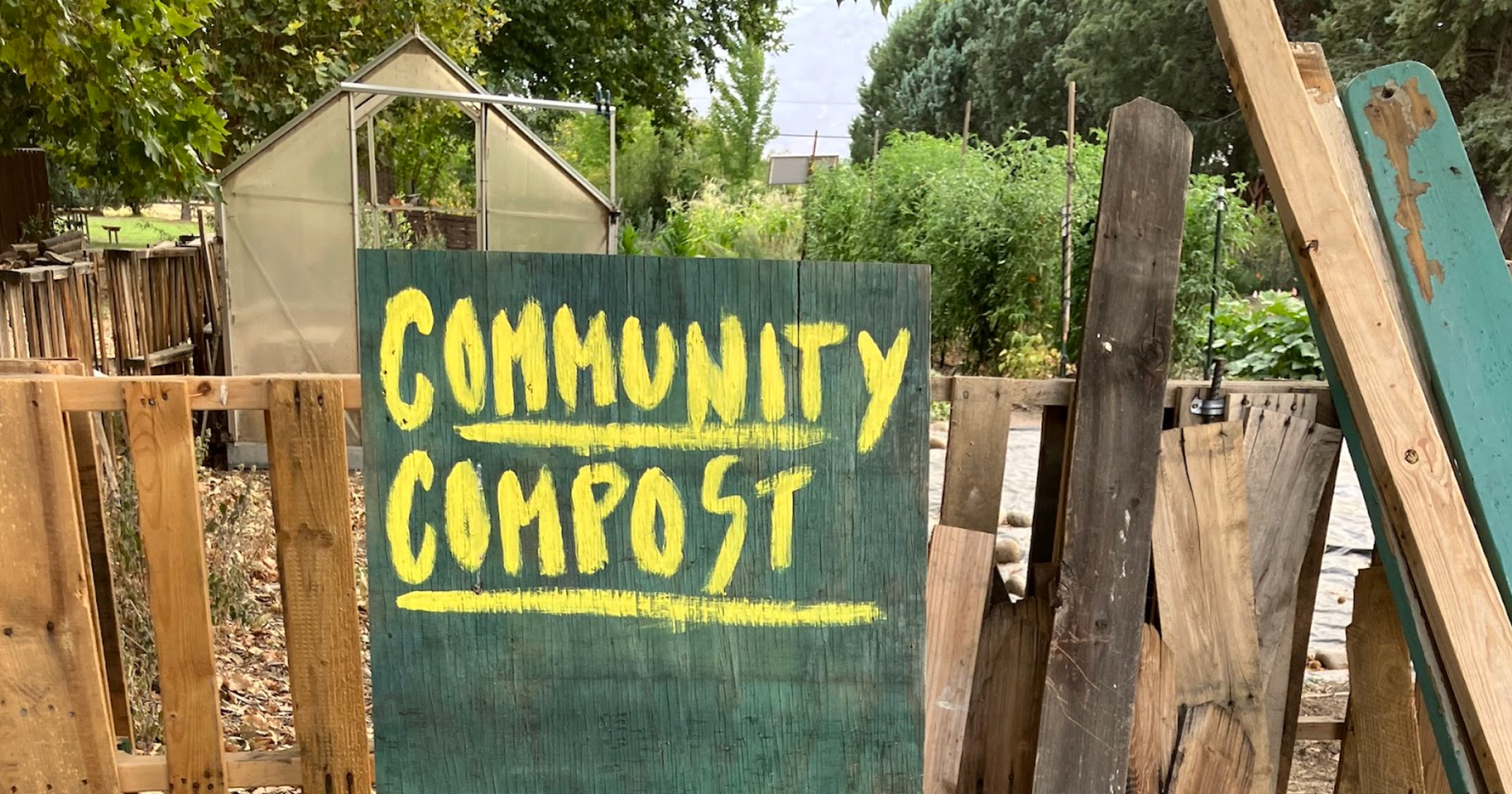
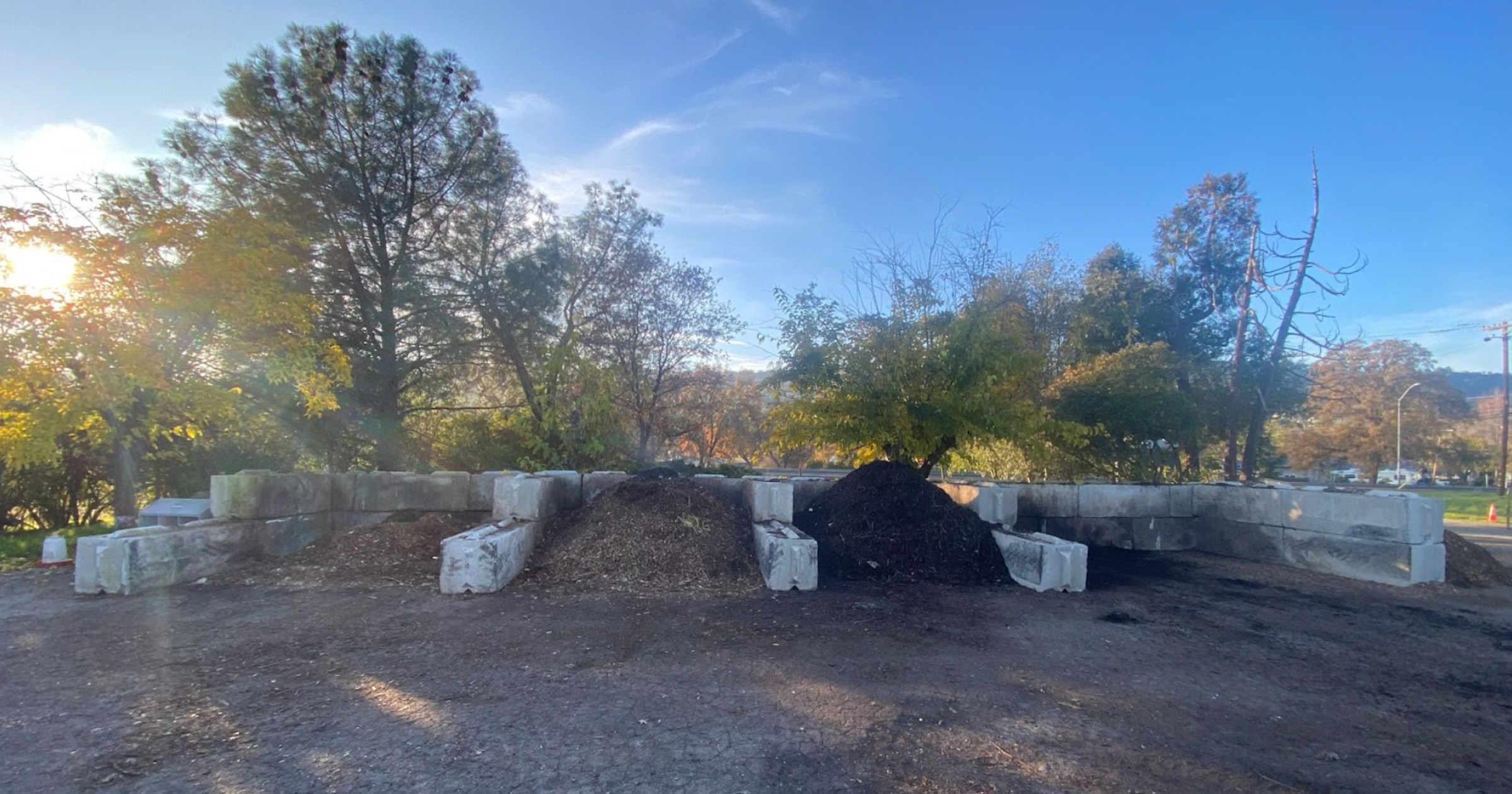
Our Sierra communities are no stranger to capturing the full value of a material, especially when our rural locations are not especially convenient in accessing new goods. From feeding food scraps to backyard chickens or composting that chicken manure, many of us learned early that wasting a useful material was not an option. But when faced with protecting our communities’ food security for the future, how can this idea of composting solve a few problems at once?
Why Compost?
Compost is a pretty unique solution that can take most organic materials we might otherwise write off as useless (think food scraps, wood chips, manure, and all those fall leaves) and turn them into a valuable soil amendment that is chock full of nutrients. Not only can compost improve our regions’ farms and gardens through improved fertility, but it can also enhance soil health properties like water holding capacity — keeping our nutrients and our water within our communities rather than paying for their removal.
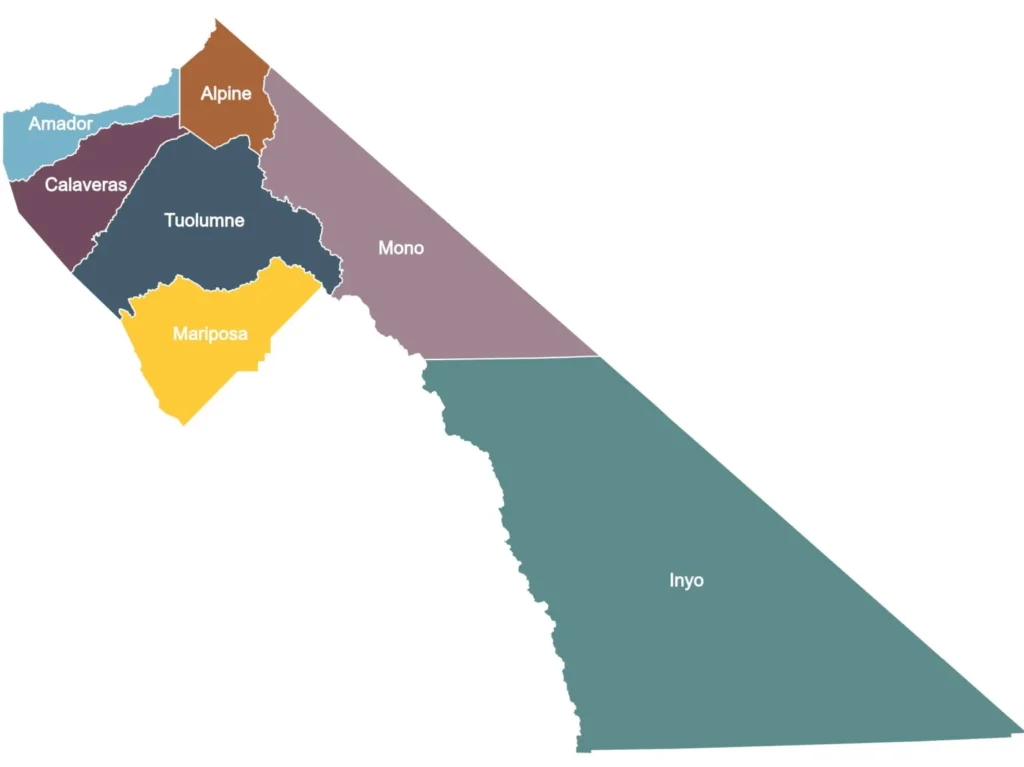
Sierra Compost aims to strengthen current compost operations and build the foundation for future community composting across the 7-county Sierra region. Below, you’ll find ways our partners are reclaiming nutrients for our communities, and a few ways to engage with current composting efforts.
Chicken Ranch Rancheria
Location: Jamestown, CA
The Chicken Ranch Rancheria Compost Program transforms food scraps collected from the Casino Resort into nutrient-rich compost that supports soil health at Suchumumu Tribal Farm. This compost is used to grow produce for Tribal members and resort kitchens, strengthening a closed-loop system that reduces waste, builds soil, and nourishes our community.
Our program continues to expand organics collection across Tribal lands in support of food sovereignty and long-term sustainability.
Bishop Paiute Tribe Food Sovereignty Program
Location: Bishop, CA
The Bishop Paiute Tribe’s Food Sovereignty Program collects kitchen scraps from the Wanaaha Casino, Elders Program, and Bishop Indian Head Start, which we turn into much needed soil amendment for our community gardens.
We also accept green material donations during our summer community markets and on an as-available basis. Contact [email protected] or call our compost Systems Technician at (760) 920-7853 to inquire about drop-offs.
California Alliance for Community Composting
Location: Statewide
California Alliance for Community Composting works directly with communities to create sustainable composting infrastructure, promote workforce development, and advance climate resilience. Our goal is to build resource recovery capacity at the local level, ensuring that communities—especially those historically underserved—benefit from the economic, environmental, and social opportunities of composting initiatives.