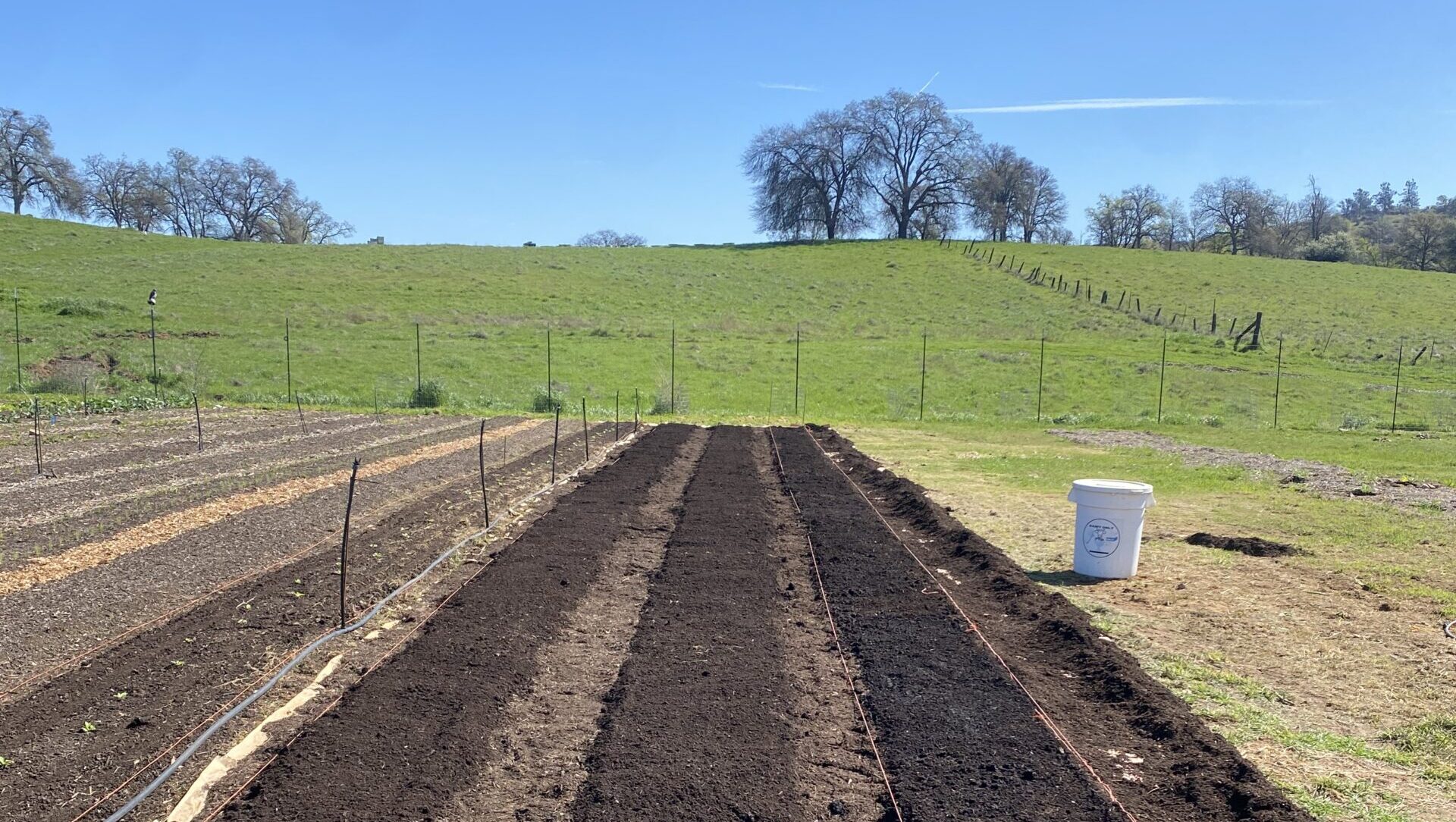
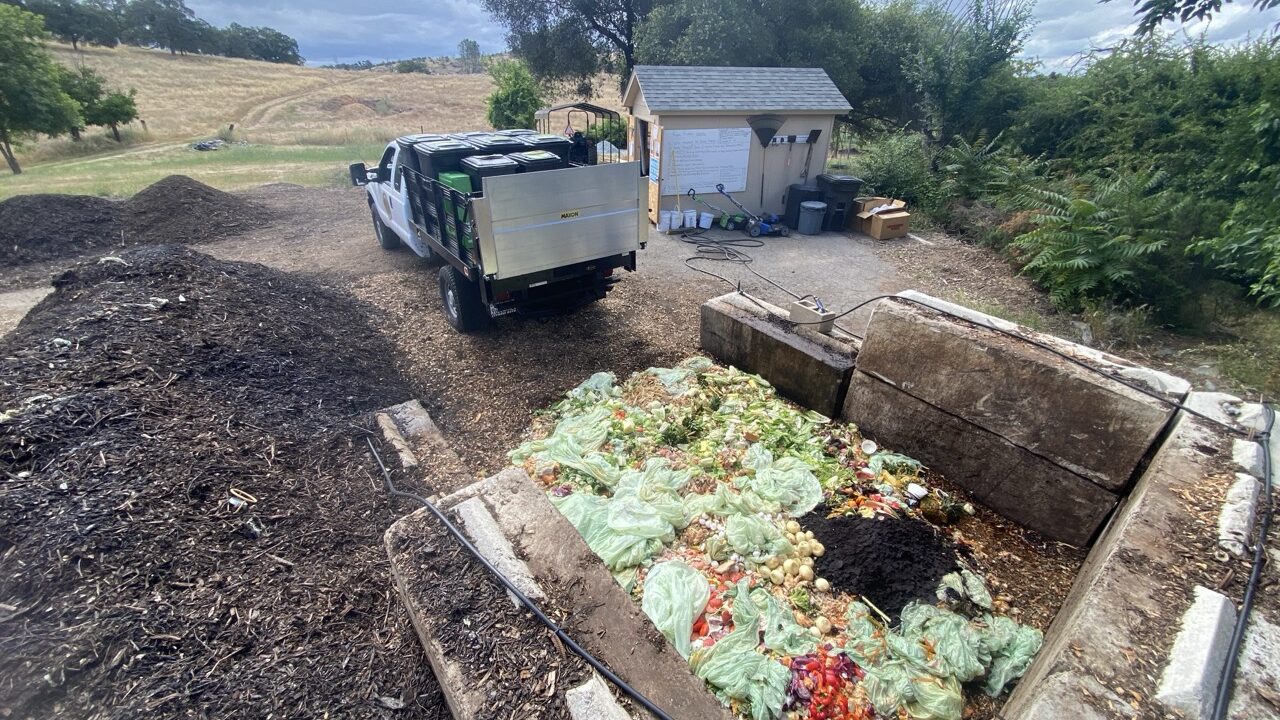
Chicken Ranch Rancheria’s (CRR) compost program started as a means of utilizing Casino Resort food scraps rather than sending them to the landfill. But what began as a few buckets of organic material and garden beds has turned into a thriving tribal-led, closed-loop food system.
Collecting Organics
Currently, the CRR Compost Program collects over 2,000lbs of food scraps each week. This equates to nearly 10,000lbs of organics collected per month — almost double the diversion rate from the previous six months. Increasing collections represent a major investment into nutrient recovery for the health of the local soils.
A few of the key improvements that have contributed to this increase are:
- participation of all kitchens throughout the Casino Resort and continued use of the Winnow systems
- dedication of capacity by supporting a full-time compost specialist
- greater understanding and support for the role composting plays in protecting food production at Suchumumu Tribal Farm
Winnow System
Compost, a long-tested process, may not seem like the new horizon of technology. Yet compost infrastructure continues to move the needle toward reducing waste and recycling nutrients. The Winnow System, an organics collection system built for commercial kitchens, automatically weighs, categorizes, and collects data from all food scraps placed in the bins.
Casino Resort Kitchens utilize the Winnow System to track the type and weight of diverted food scraps. Chefs within these kitchens use that data to inform ordering and processing to minimize food scraps in the first place. This (along with the most important piece of human willingness to participate!) improves efficiency, reduces costs, and reduces total waste across CRR.
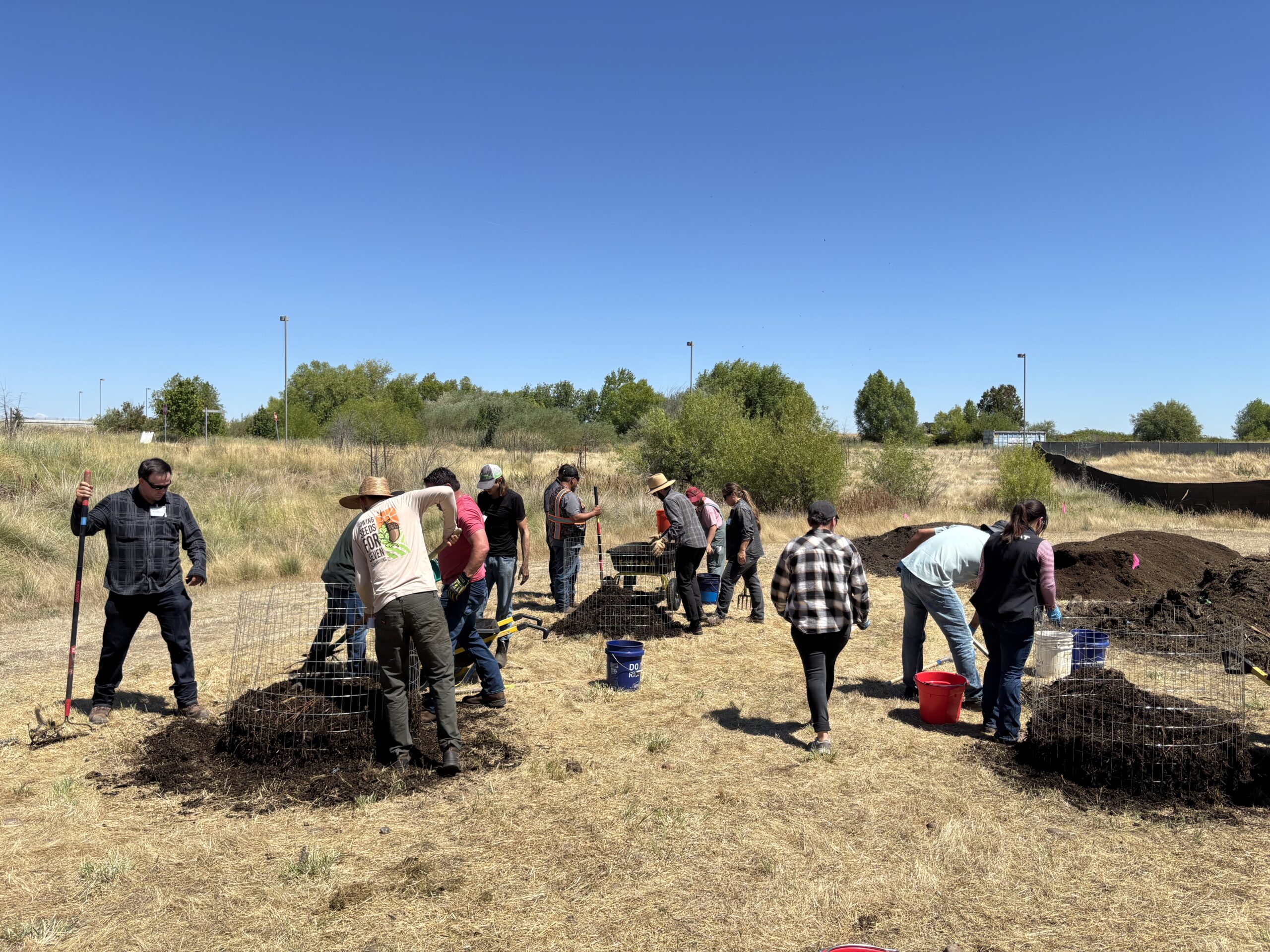
Processing Organics into Compost
Limiting contamination is a priority in producing high-quality compost, and one of the biggest challenges to processing food scraps. Common contaminants are plastic and trash associated with the food scraps — think PLU stickers on fruit and food packaging.
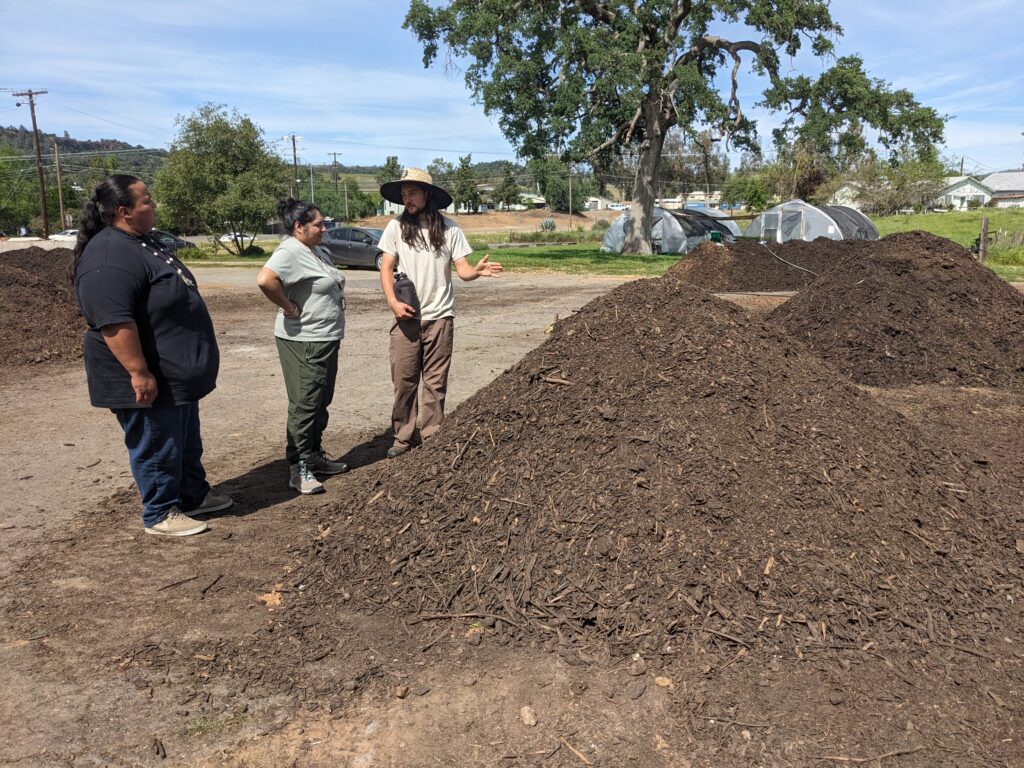
The CRR Compost Program has prioritized building relationships and educational opportunities within the organics collection process that minimize contamination. The CRR team leads tours of the Suchumumu Tribal Farm and compost site that highlight circular food systems, which directly shows resort staff how small decisions impact a whole system, and how we can decide to protect food production down the line.
Through these efforts, contamination has been significantly reduced within the incoming organic feedstocks. Less time spent on remediating contamination means more time for expanding CRR’s capacity for organics diversion and compost production.
The future goals of Chicken Ranch Rancheria’s Compost Program are:
- Expand processing capacity across current compost facilities
- Increase organic material collection and diversion, including the acceptance of household organic material from employees and community members
- Close gaps on Tribal lands — so all organic material produced or used on Tribal land is cycled rather than wasted
- Expand partnerships to increase organics diversion across the region, and model a scaled compost operation
To do that, CRR’s Compost Program is continuously exploring new grant and funding opportunities to scale compost processing facilities, increasing business operations, and ultimately paving the way for a self-sustaining system. And with that important human element, partnerships across the greater Sierra region are driving strong connections with the CRR Compost Program — leading to new collection avenues, stronger regional participation in composting, and a shared sense of care and reciprocity for the resources we steward and the land we inhabit.